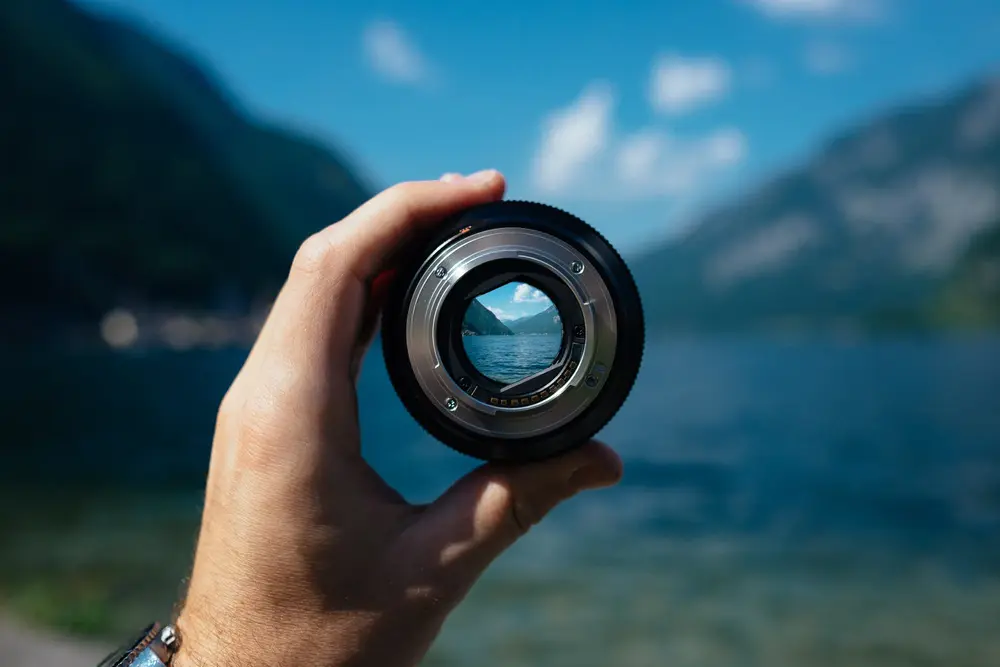
The eye is just a very intelligent natural camera, its sends a stream of processed images to the brain. Like in a computer the eye compresses pictures, enhances edges, detects movement, and fills in blanks. The retina at the back of the eye is made of two types of cells Rods and Cones. The cone detects colour and the rods movement, therefore the cones are focused at the centre of the retina where images are focused, so that details can be detected, and the rod are mainly around the side so that movement and danger can be detected.
The eye has two forms of lenses, the cornea and then the optic lens. The cornea does much of the bending of light and the lens does the intricate focusing. Those who are shortsighted have a lens that cannot focus images from far, and it can not bend the light enough. Those who are long- sighted have a lens, which bends the light too much so that images that are far cannot be focused.
The retina can think, it is not just an instrument used by the brain, but itself is programmed to carry out certain operations before the brain sees the image. A lot of light on one rod or cone turns down the sensitivity of those cells neighbouring it. The eye also exaggerates contrast of brightness so that edges are easy to detect.